

militaris dongchoonghacho extract
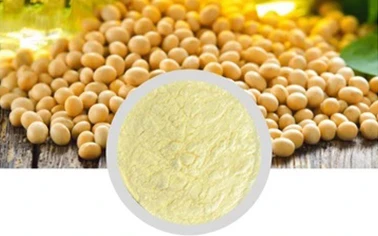
Phosphatidylserine for smarter formulations: field notes from the supply chain I’ve spent enough time in formulation rooms to know when an ingredient just “behaves.” Phosphatidylserine Soybean Extract Powder 50% Nootropics Herbal Extract Raw Material is one of those steady performers—clean sourcing, predictable HPLC data, easy to blend. Origin-wise, it’s shipped from Building 23B1, No.2 Yuanboyuan St., Zhengding Area of China (Hebei) Pilot Free Trade Zone. The lot files I’ve seen read like you want them to: Non-GMO, BSE/TSE-free, non-irradiated, allergen-free. Why PS 50% is trending (and where it actually fits) Cognitive support is still hot—particularly nootropics for knowledge workers, esports, and “focus” blends for students. Brands ask for consistent 50% PS because it plays nicely with choline sources, L-theanine, and bacopa in capsules, sachets, and functional beverages. To be honest, it’s also about trust: many customers say PS is a “feelable” ingredient, even though claims are tightly regulated in the US and EU. How it’s made (real-world process flow) Materials: food-grade soy lecithin (non-GMO), L-serine, food ethanol (Class 3 solvent) Method: enzymatic transphosphatidylation (phospholipase D) to enrich phosphatidylserine; ethanol extraction; concentration; deodorization Finishing: spray-drying onto a suitable carrier to achieve ≈50% PS; sieving; metal detection Testing: assay by HPLC per USP -style chromatography; residual solvents to ICH Q3C(R8); heavy metals per modern ICP-MS limits; microbial per dietary supplement specs Service life: around 24 months sealed, cool and dry; PS is oxidation-sensitive—nitrogen-flushed bags help Industries: dietary supplements, functional foods, ready-to-mix nootropics, and even premium skincare (phospholipid systems) Key specifications (typical COA targets) Item Spec (≈, real-world use may vary) Assay (Phosphatidylserine, HPLC) ≥ 50% Source / Used Part Soy lecithin / Fruit listed per vendor data Extract Solvent Ethanol (Class 3), ICH Q3C limit ≤ 5000 ppm Heavy Metals (Pb/Cd/As/Hg) Meets modern limits (e.g., USP/ICH-aligned) Microbial Limits TPC, yeast/mold within dietary supplement specs Certifications Non-GMO, BSE/TSE-free, Non-irradiation, Allergen-free; ISO/FSSC available on request Vendor comparison at a glance Factor Phosphatidylserine Soybean Extract Powder 50% Nootropics Herbal Extract Raw Material Typical Trader Local Mill Assay consistency Tight, HPLC-verified batches Varies lot-to-lot Good, limited scale Regulatory files Complete CoA, MSDS, MoA, allergen Basic CoA only Partial Lead time Stocked SKUs; predictable Uncertain Short, small runs Customization and formulation notes Options: carrier system, particle size, flow aids for tableting, flavored premixes Compatibility: pairs well with bacopa, ginkgo, L-tyrosine; avoid high heat and moisture Labeling: “Phosphatidylserine (from soy lecithin)”—check regional regs; claims must follow local rules Mini case studies Case A (capsule): A US brand swapped a 20% PS for Phosphatidylserine Soybean Extract Powder 50% Nootropics Herbal Extract Raw Material and cut fill weights by ≈30%, improving capsule closure and yield. Customer feedback: “cleaner focus stack” and fewer soft capsules required per serving. Case B (stick packs): An APAC beverage startup used 50% PS with natural flavors. Stability at 40°C/75% RH hit 24 weeks with nitrogen flushing—assay held within ±5% (accelerated), which surprised the team given PS’s sensitivity. Standards and test methods we align to Safety: PS (soy) recognized via FDA GRAS notice framework [1] Residual solvents: ICH Q3C(R8) (ethanol Class 3) [2] HPLC: USP General Chapter <621> for chromatography conditions [3] Phospholipids profiling: AOCS methods (e.g., Ja 7-95) [4] References: 1. FDA GRAS Notice Inventory (Phosphatidylserine from soybean, industry references): https://www.fda.gov/food/generally-recognized-safe-gras-gras/gras-notice-inventory 2. ICH Q3C(R8) Residual Solvents: https://database.ich.org/sites/default/files/Q3C-R8_Guideline_Step4_2021_0412.pdf 3. USP General Chapter <621> Chromatography: https://www.uspnf.com/notices/general-chapter-621-chromatography 4. AOCS Official Methods for Phospholipids (e.g., Ja 7-95): https://www.aocs.org/attain-lab-services/methods/methods/search
Finutra devotes to be an integrated supplier for global supply chain, we offer a
broad array of raw materials and functional ingredients
naringin extract
Piper nigrum extract, commonly known as black pepper extract, has long been revered for its unique flavor and potential health benefits. This potent extract, derived from the dried fruits of the Piper nigrum plant, is becoming a must-have ingredient in various products ranging from culinary delights to dietary supplements. The quest for holistic wellness has pushed consumers to explore the multifa
ginger root extract
Ginger, as a common medicinal and edible plant, has attracted much attention in the health field for its Herb Extraction due to its significant natural anti-inflammatory properties. This Herb Extraction is extracted from ginger roots and stems through modern technology, retaining various active ingredients in ginger and becoming an important product in the field of natural anti-inflammatory. The a

ginger extract supplier
In today’s global nutraceutical and functional food markets, Ginger Extract Powder Gingerols 5% Chinese Traditional Herbal Extract Water Soluble emerges as a vital ingredient, leveraging the time-honored benefits of traditional Chinese medicine with advanced extraction and manufacturing processes. As market demand shifts toward high-purity, water-soluble extracts for maximum bioavailability, the r
dried papaya powder
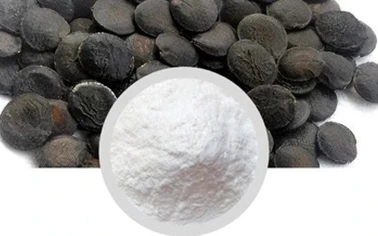
At Hebei Finutra Biotech Co., Ltd., we set a new standard for botanical extract quality with our cica extract featuring ≤5% loss on drying— a critical 指标 that reflects our commitment to purity, stability, and efficacy. Sourced from premium centella asiatica (also known as gotu kola), our extract, including the sought-after gotu kola extract , is crafted to retain the plant’s natural active compoun

with ginger extract
In today’s global nutraceutical and functional food markets, Ginger Extract Powder Gingerols 5% Chinese Traditional Herbal Extract Water Soluble emerges as a vital ingredient, leveraging the time-honored benefits of traditional Chinese medicine with advanced extraction and manufacturing processes. As market demand shifts toward high-purity, water-soluble extracts for maximum bioavailability, the r
elderberry extract for colds
The acai seed extract, derived from the seeds of the acai berry, has become increasingly popular in nutraceutical and cosmetic industries due to its impressive health and skincare benefits. This powerhouse ingredient offers a unique blend of essential nutrients and health-promoting compounds, making it a sought-after component in various products aimed at enhancing overall well-being and skin vita
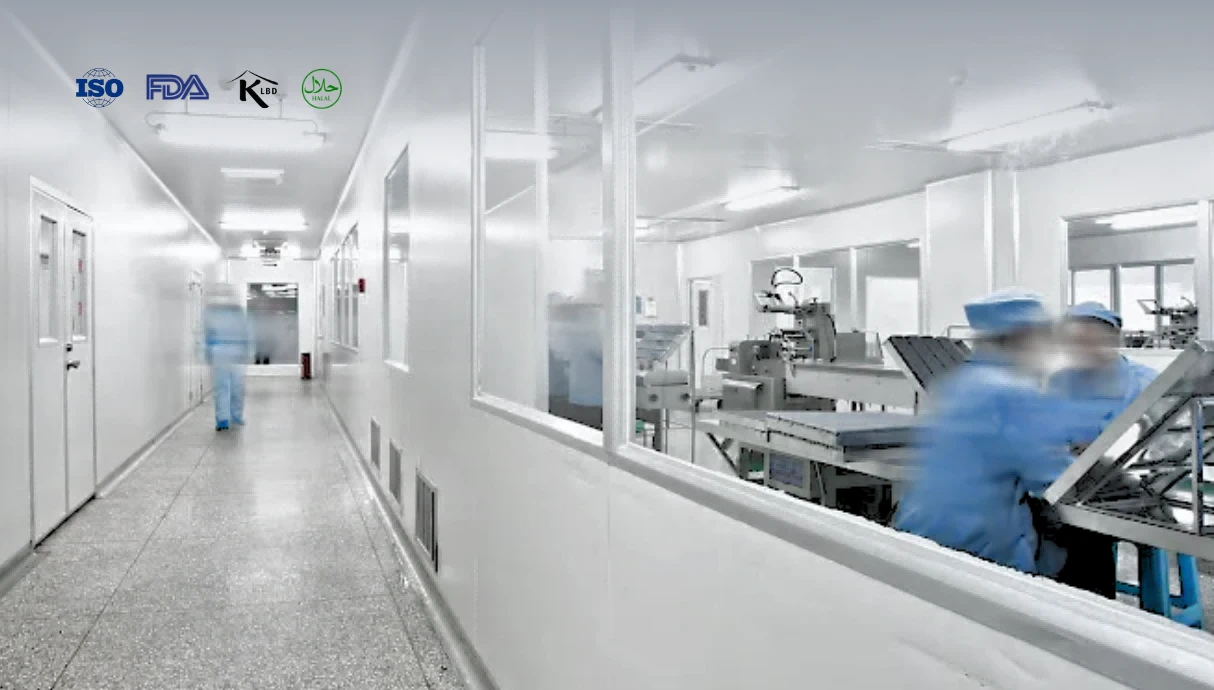
Authoritative Certification
Continuous Innovation, Customer First
Enhance core competitiveness to bring customers better products and services,
Each of these is the result of our team's relentless pursuit of excellence
and our deep commitment to social responsibility.

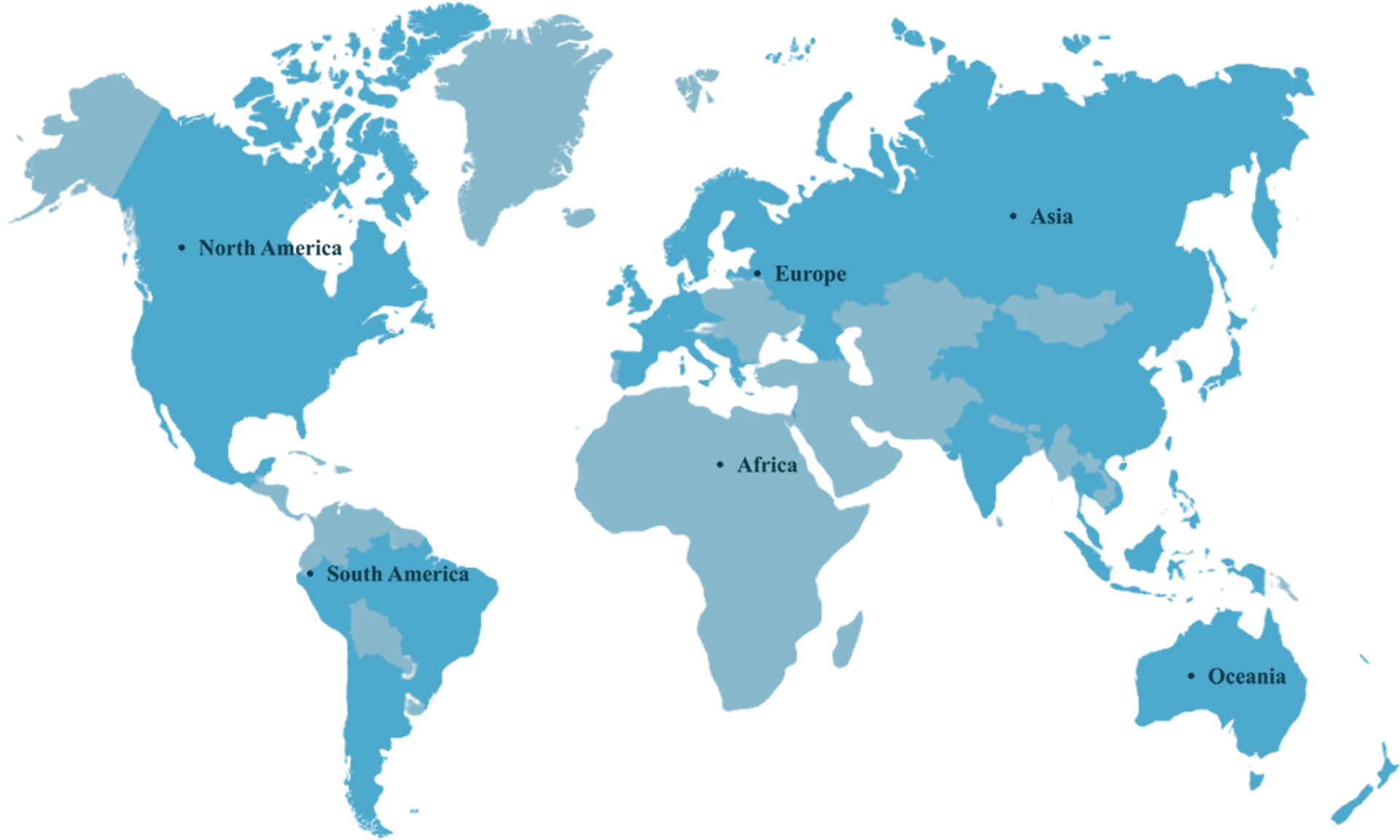
Global
Reach
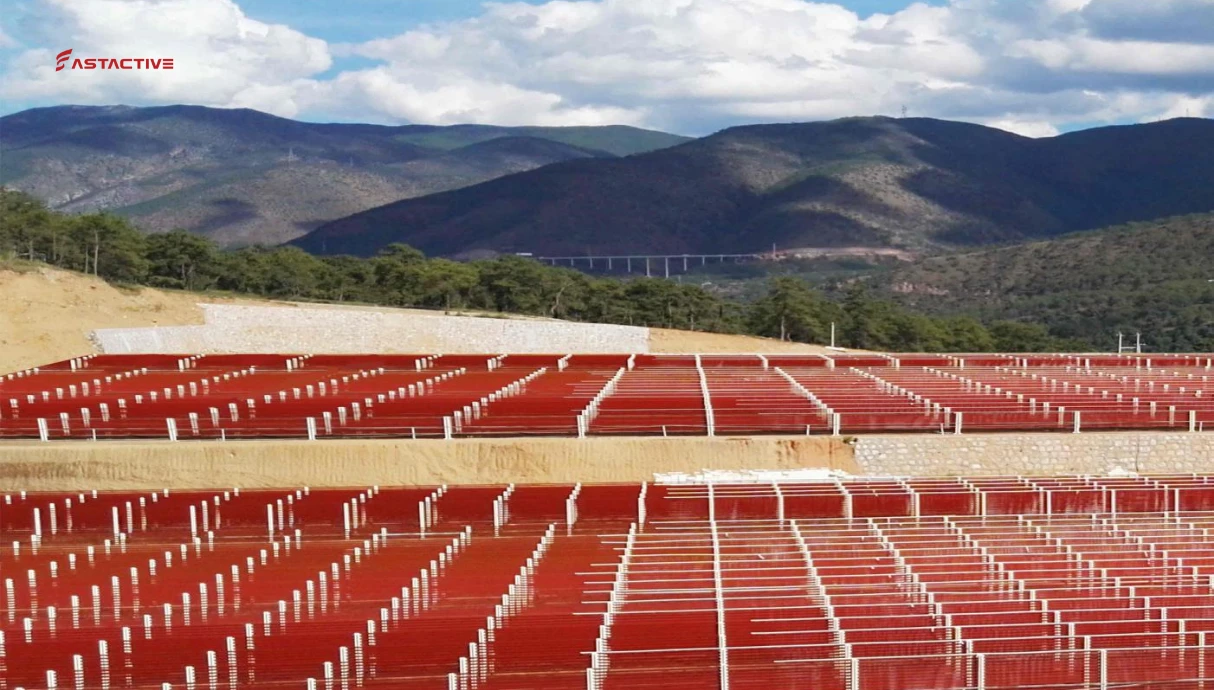
FINUTRA has over 350,000 square feet of manufacturing and warehouse
space worldwide.
Industries We Serve
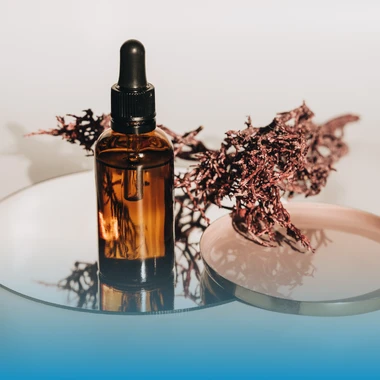
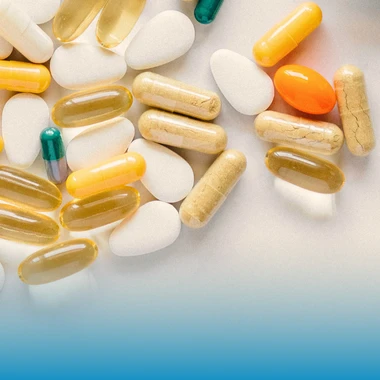
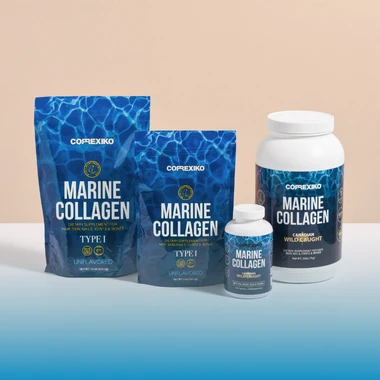

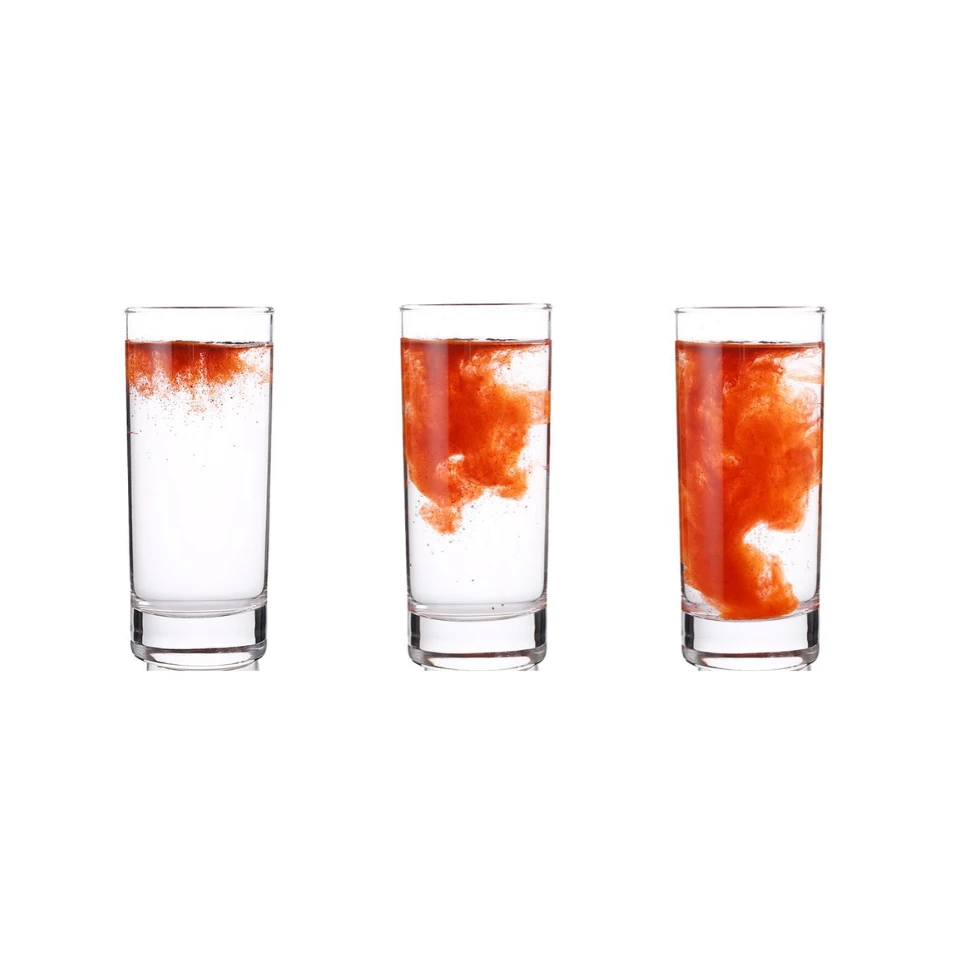
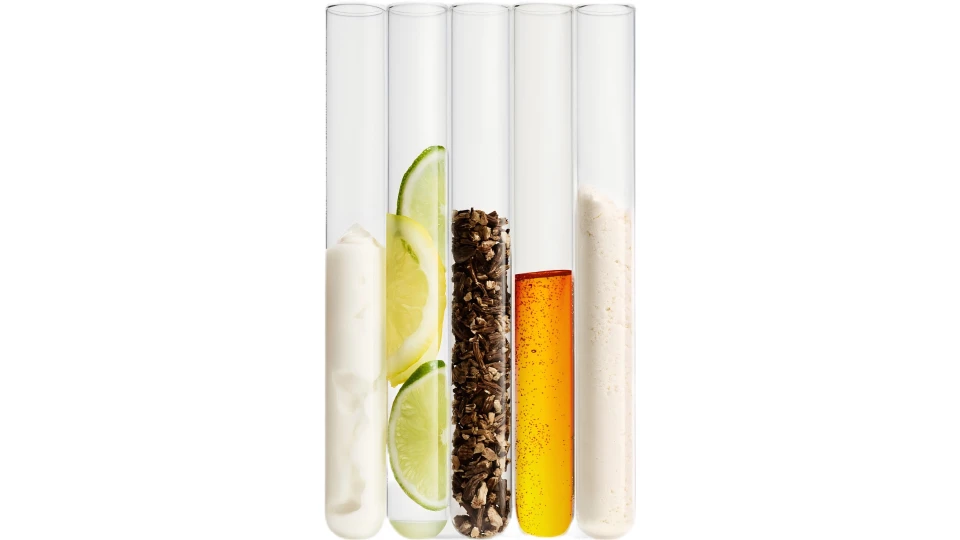
Advanced molecular distillation and microencapsulation
technology. Extremely bioavailable
trace carotenoids Intuitively soluble.

STAY UPDATED
Receive special offers and first look at new
products.
products.


Building 23B1, No.2 Yuanboyuan St., Zhengding Area of China (Hebei) Pilot Free Trade Zone
QUICK LINK
Finutra devotes to be an integrated supplier for global supply chain, we offer a broad array of raw
materials and functional ingredients as a manufacturer, distributor and supplier for global Beverage,
Nutraceutical, Food, Feed and Cosmeceutical.
Copyright © 2025 Hebei Finutra
Biotech Co.,
Ltd. All
Rights Reserved.
Privacy Policy


